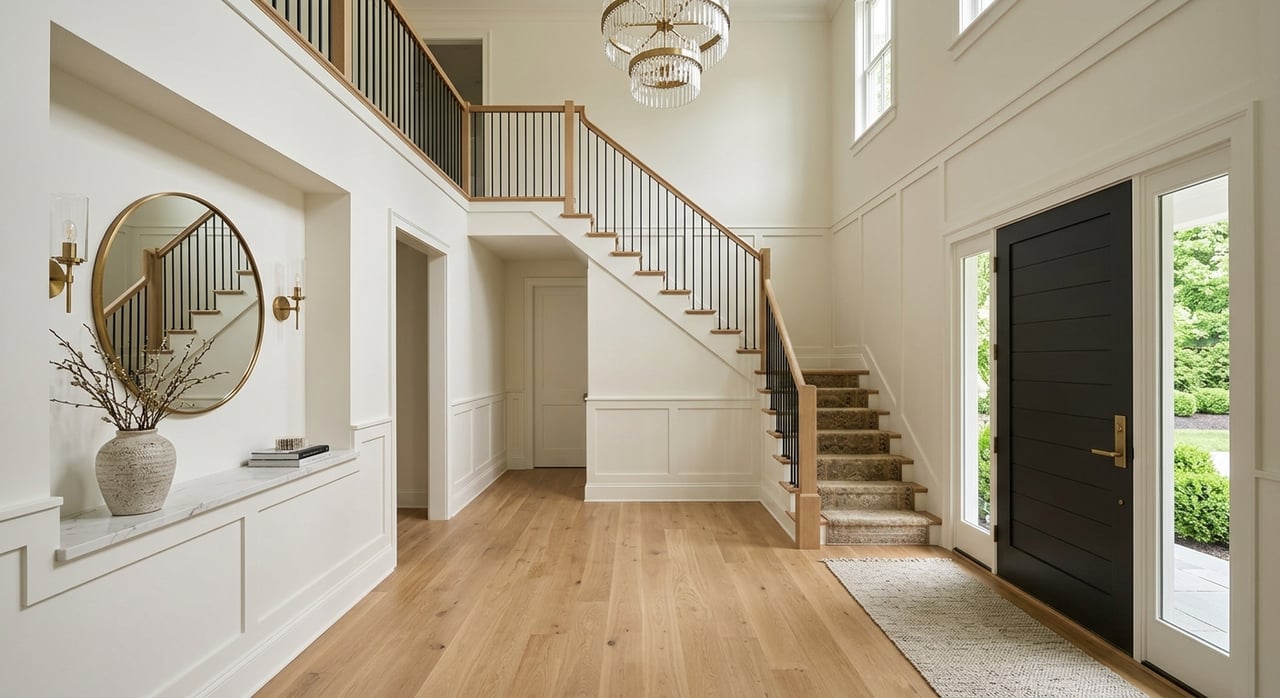
What to Know About Building New in Westfield, Indiana
June 4, 2026
June 4, 2026
Building new in Westfield can feel like the perfect way to get exactly what you want, until you realize how many moving pieces sit behind the design boards and model homes. If you are trying to choose a builder, compare lots, manage upgrade decisions, and time your closing, it helps to know how Westfield’s process actually works. This guide will walk you through the key things to understand before you build so you can make sharper decisions and avoid expensive surprises. Let’s dive in.
Westfield is growing fast, and that growth shows up in the building process. The city describes itself as Indiana’s fastest-growing city and the sixth-fastest-growing city in the country, which helps explain why local approvals, permits, and inspections matter so much.
For new construction, Westfield uses a permit-heavy process. The city launched its Citizens Portal in March 2026 and says it is now the required method for permit applications, inspection requests, petitions, licensing, and code enforcement.
That matters to you even if your builder handles the paperwork. A smooth build is not just about selecting a floor plan. It is also about making sure the lot, plans, and timing all line up with the city’s local requirements.
In Westfield, the lot and the house usually need to be evaluated together. The city’s planning framework points builders and buyers to the Unified Development Ordinance, PUD ordinances, zoning map, subdivision applications, and development reports, which means lot-specific rules play a major role.
In practical terms, you will often be choosing from three types of opportunities:
Because approvals can vary by neighborhood and development, setbacks, design rules, and lot limitations may differ from one area to another. That is why a great floor plan on paper is not enough. You also need to know whether it fits the specific site and community requirements.
Not every new-construction experience works the same way. In broad terms, buyers are usually deciding between production, semi-custom, and custom builders.
Production builders typically build entire communities and usually control the land. They often offer a set menu of plans plus a range of standard and optional finishes.
This route can be more streamlined, but it usually comes with less flexibility. Your choices may focus on predefined options rather than starting from scratch.
Semi-custom builders often sit in the middle. You may be able to start with an existing plan and adjust certain layouts, styles, or finish selections.
For many Westfield buyers, this can be the sweet spot between customization and predictability. You get more personality than a standard production home, but often with fewer unknowns than a fully custom build.
Custom builders create one-of-a-kind homes and often build on land you already own or purchase separately. This path usually gives you the broadest design freedom.
It also requires more coordination. If you are going custom in Westfield, the lot, ordinance requirements, timeline, and permit path all deserve close attention from the very beginning.
For a new single-family home, Westfield permits it as RSFR. The city’s application materials show that a typical new-construction permit package may require:
Westfield also notes that plan review does not guarantee full code compliance. Additional issues can still come up during construction or inspection.
That is an important reality check. Even when a plan is approved, you should still expect the process to involve follow-up items, corrections, and timing adjustments.
One of the biggest mistakes buyers make is treating the builder’s base price as the full cost. In Westfield, there are local fees and process costs that can affect the total picture.
According to the city’s 2026 fee schedule, residential new construction is $850 plus $0.11 per square foot. Required inspections such as footing, foundation or underslab plumbing, rough-in, drywall, and final inspections are $75 each, and a certificate of occupancy costs $125.
There are also penalties worth knowing. Starting construction without the required permit can trigger a $500 penalty, and occupying a home without a certificate of occupancy can trigger a $2,500 penalty.
Road impact fees may also apply. Westfield states that preliminary estimates are non-binding and that actual assessments are tied to the Improvement Location Permit, with fees calculated from projected 24-hour trips using the ITE Trip Generation Manual.
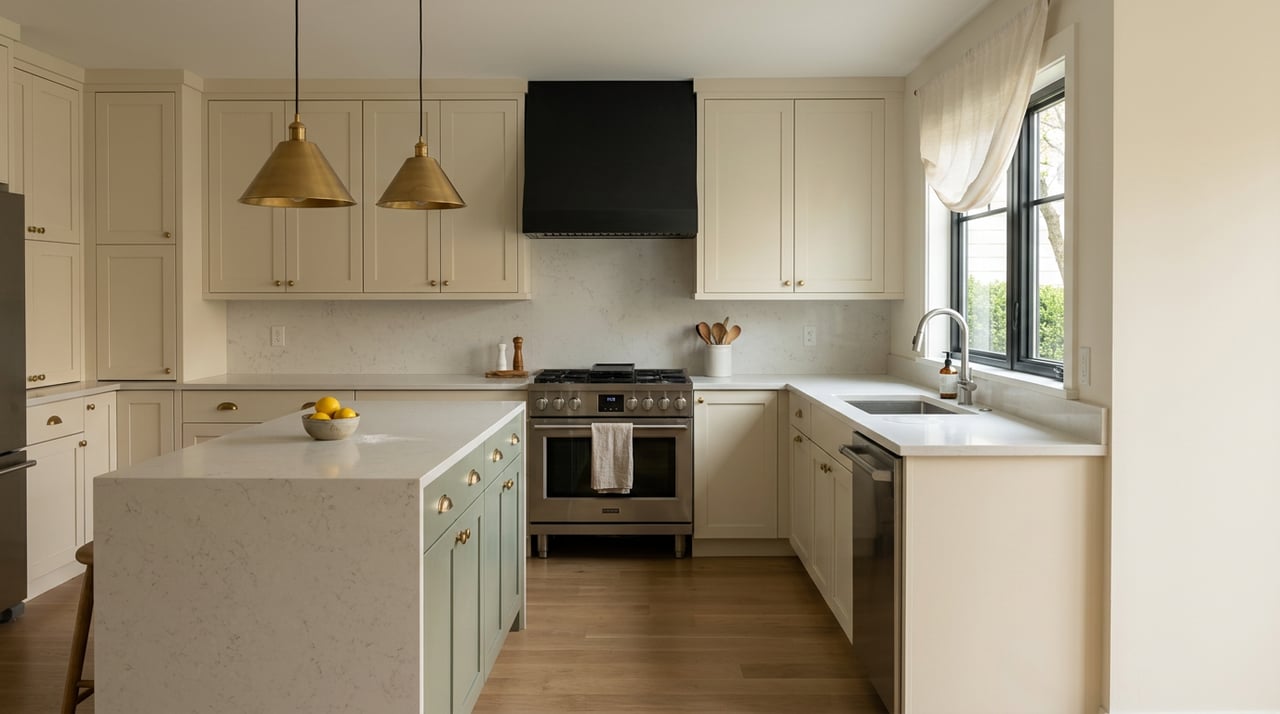
It is easy to spend too much energy on decorative choices and not enough on the decisions that are harder to change later. Production builders usually offer choices for appliances, countertops, flooring, cabinetry, and fixtures at different price points, but the most important decisions often happen earlier.
If you are building in Westfield, focus first on the items that affect function, layout, and long-term usability, such as:
Cosmetic items can often be changed later more easily than structure or flow. If resale matters to you, broad-appeal upgrades usually make more sense than highly personalized finishes.
New construction is exciting because you get a fresh home and a chance to personalize it. National buyer survey data also shows people often choose new homes to avoid renovations and plumbing or electrical issues, to customize design features, and to enjoy modern efficiency and amenities.
Still, it helps to build with the next buyer in mind, even if you plan to stay for years. Appraisal guidance emphasizes overall condition, safety, soundness, structural integrity, and whether updates meet current market expectations with improved function and look.
That does not mean your home should feel generic. It means your smartest upgrade dollars often go toward choices that improve daily use and have broad market appeal, rather than niche selections that may not translate well later.
A city inspection and an independent inspection are not the same thing. Westfield requires a sequence of inspections for residential construction, including erosion and infrastructure prior, footing, foundation or underslab, rough-in, drywall, sump, pre-pour sidewalk, final building, and erosion and infrastructure final.
Each inspection must be approved before work can move to the next phase. The permit card also has to be posted where it is visible from the street, and Westfield does not allow same-day inspections.
Beyond city inspections, many buyers also choose their own inspector during construction. A pre-drywall inspection can be especially valuable because drywall can hide framing, wiring, plumbing, HVAC, insulation, and other issues that are easier and less expensive to correct before the walls are closed.
It is also smart to attend inspections when possible. Being present can help you understand what is being flagged, what is cosmetic, and what may need follow-up before closing.
With new construction, the finish line can move. In Westfield, timing your closing too tightly can create stress if the final inspection or certificate of occupancy is delayed.
The city recommends scheduling the final inspection 3 to 5 days before closing. It also says builders should leave at least three business days between final inspection and closing to allow time for re-inspections and certificate-of-occupancy processing.
This is not just a paperwork detail. Occupying a home before the certificate of occupancy is issued can trigger a $2,500 fine.
If your home is finishing during colder months, seasonal rules may also come into play. Westfield uses temporary certificates of occupancy beginning November 1 for unfinished landscaping and yard work, and landscaping, grass, and erosion-control work must be complete by May 15 for permanent occupancy approval.
Most newly built homes come with a builder warranty, but coverage is not the same across every item. Federal Trade Commission guidance notes that workmanship and materials on most components usually cover one year, HVAC, plumbing, or electrical systems generally cover two years, and some builders offer up to 10 years for major structural defects.
Builder warranties also usually do not cover everything. Appliances may be covered separately by manufacturer warranties, and small cosmetic cracks may not be included.
Because the workmanship portion often expires after year one, many buyers plan a month-11 inspection. That timing can help you identify items to raise with the builder before that initial coverage window closes.
A newly built home may not be taxed the way you expect in the first year or two if you are only looking at vacant-land numbers or partial assessments. In Hamilton County, property taxes are based on assessed value, and local assessing officials value real property each year on March 1.
The county also notes that changes can come from land order, reassessment, trending, or new construction. Form 11 notices show the prior and new assessments, which is important if you are trying to understand why your tax picture changed after the home was completed.
Westfield is also not uniform for tax purposes. The 2026 district-rate table shows Westfield Washington Township at 1.9372 and Westfield Town at 2.3448, so it is important to verify the parcel’s taxing district when estimating carrying costs.
If an assessment looks incorrect, Indiana’s appeal process starts locally with Form 130. The filing deadline is generally June 15 in the relevant assessment cycle when the notice is received.
The best new-construction decisions usually happen before the drywall goes up and long before closing week. If you understand the lot, builder type, local permit process, inspection sequence, closing timeline, and long-term cost picture, you can move through the build with far more confidence.
In a market like Westfield, strategy matters just as much as style. If you want a clear plan for evaluating lots, comparing builders, and making design choices that support both your lifestyle and long-term value, Courtney Walsh Baisa can help you approach the process with precision.
Stay up to date on the latest real estate trends.


Luxury real estate demands strategy, precision, and insight. With a data-driven approach, expert marketing, and a deep understanding of buyer behavior, every step is designed to maximize results and deliver a seamless, elevated experience.