Zionsville Village vs Suburbs: Which Lifestyle Fits?
June 11, 2026
June 11, 2026
If you are trying to choose between Zionsville’s Village and one of its planned subdivisions, you are really choosing between two different ways of living day to day. One offers a historic downtown setting with brick streets, local events, and strong walkability. The other often offers newer homes, coordinated neighborhood design, and a routine shaped more by roads, open space, and neighborhood amenities. Let’s dive in.
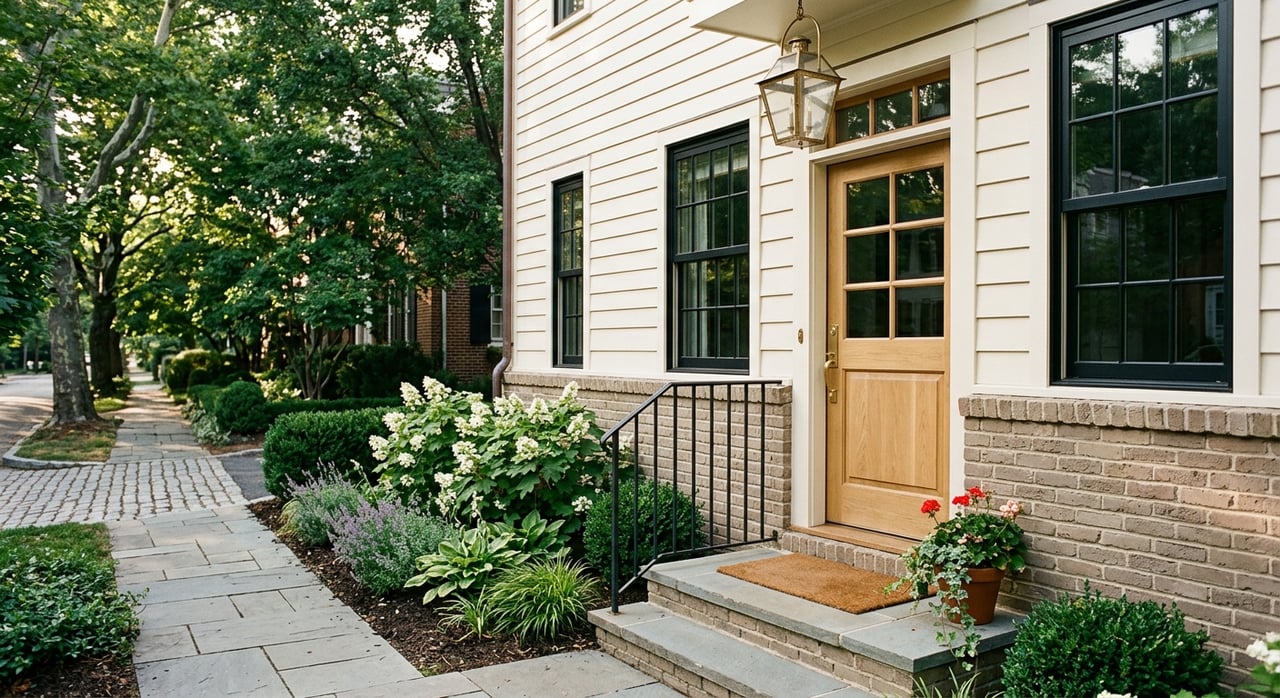
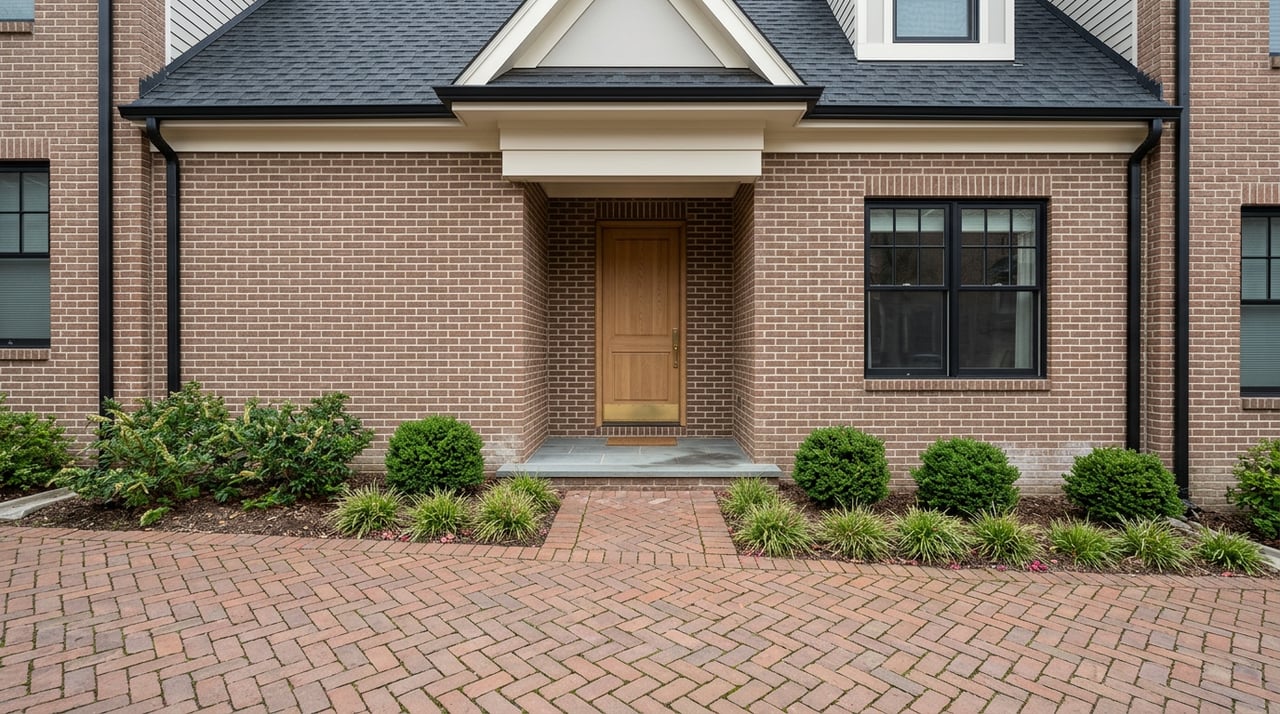
Zionsville’s planning documents describe The Village as the historic and cultural heart of town. The town points to its brick streets and historic buildings as features that cannot be replicated, which helps explain why the Village feels so distinct from newer areas.
Outside the Village core, Zionsville includes a mix of older walkable areas, spacious-lot neighborhoods, and rural sections with larger lots. The town also notes that much of its more recent suburban development is north along US 421, which gives many planned subdivisions a newer and more coordinated feel.
That is why this decision is less about which area is “better” and more about what fits your routine. If you want character and downtown energy, the Village may stand out. If you want a more structured residential setting, a subdivision may make more sense.
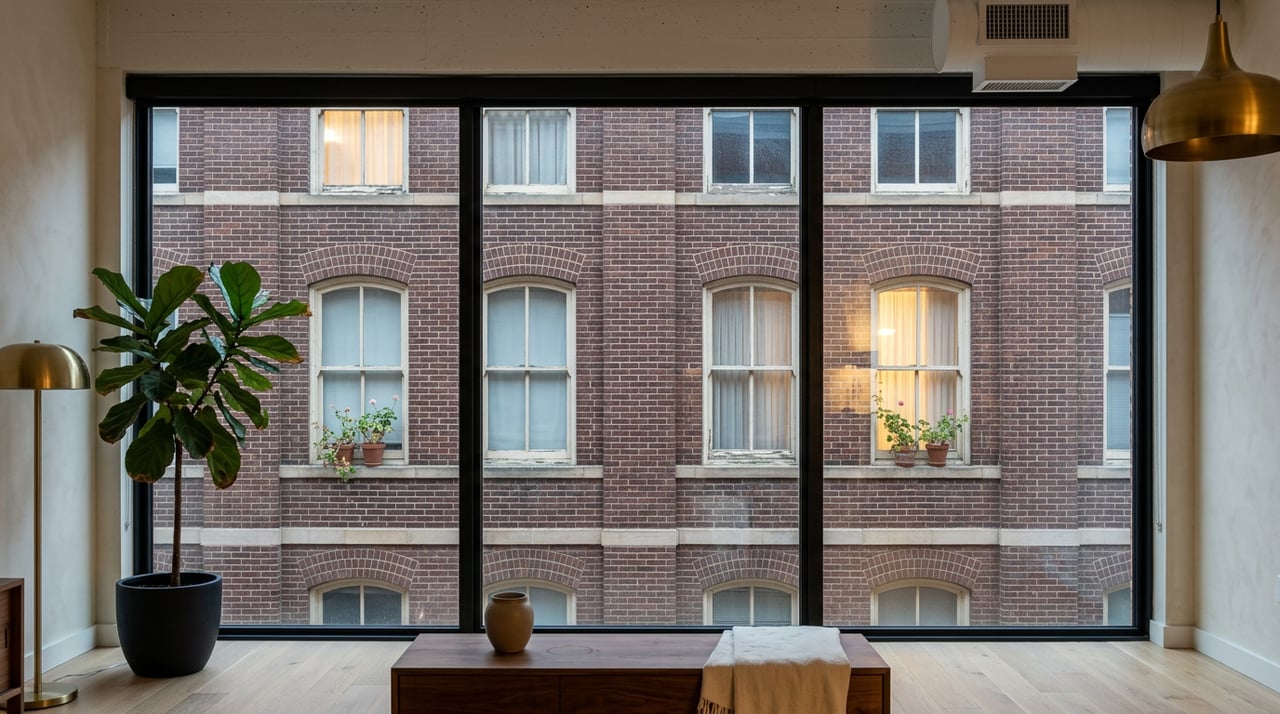
The Village is built around place and identity. Zionsville highlights the Brick Street, historic buildings, public art, and the Cultural District as part of the downtown environment. It also points to gathering spaces like Village Corner, a pocket park at Main and Cedar in the center of downtown.
In practical terms, that creates a more public, connected rhythm. You are more likely to notice people walking, stopping into local businesses, heading to a park, or moving through downtown on foot. The setting feels more traditional and more specific to Zionsville itself.
The town also treats downtown as a preservation-oriented environment. Its façade rehabilitation program is focused on the downtown village business district, which reinforces that the Village is not meant to feel like a generic commercial strip.
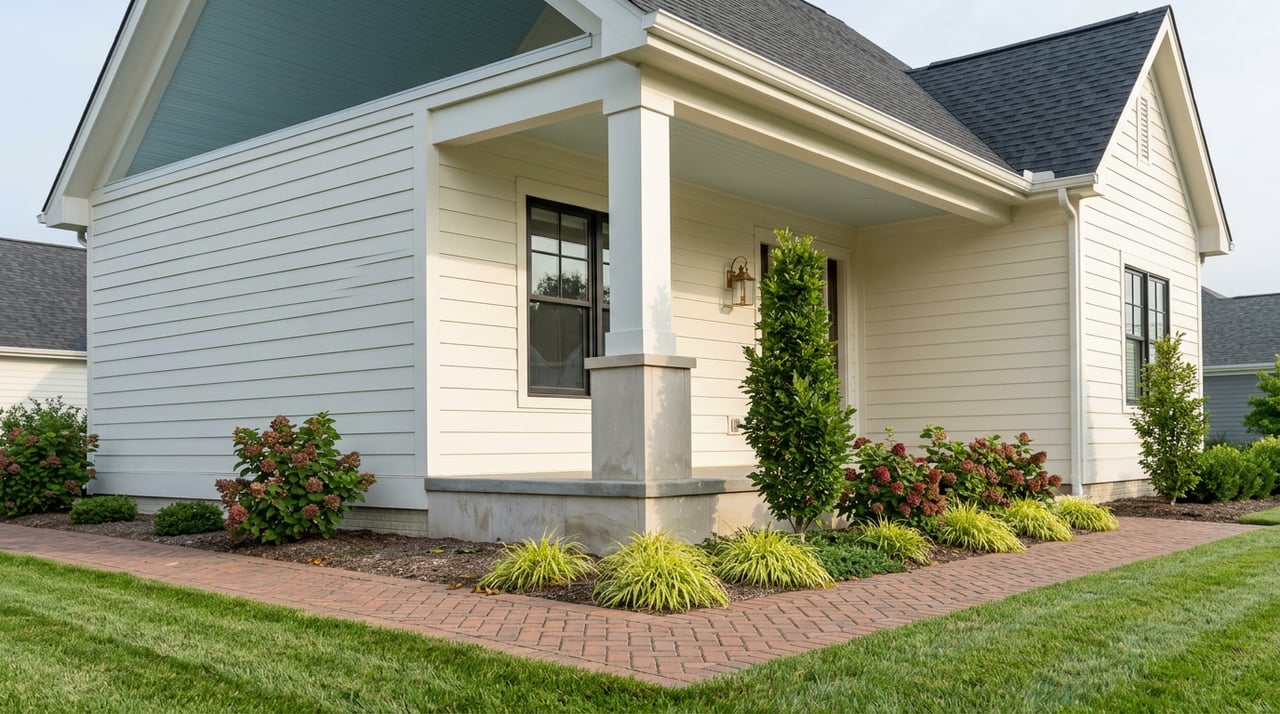
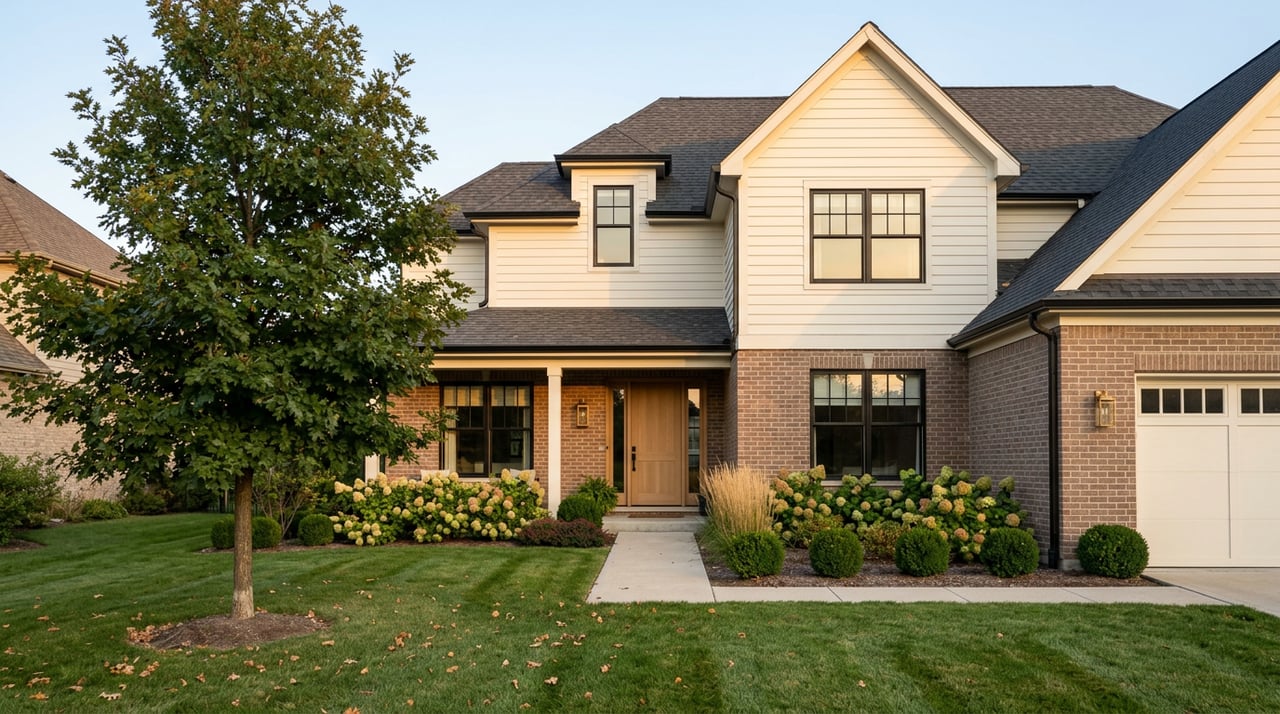
Planned subdivisions in Zionsville usually offer a different type of consistency. According to the town’s planning materials, newer neighborhoods are often held to a high building aesthetic and designed in ways that preserve natural landscapes and open space.
That does not mean every subdivision is the same. Zionsville notes that neighborhoods across town vary widely, from spacious-lot areas with recreational access to older walkable blocks near the Village. Still, many subdivisions tend to feel newer, more coordinated, and more residential in pattern than the Village core.
For many buyers, that can be appealing for simple reasons. You may prefer newer construction, a neighborhood layout with a more predictable look and feel, or surroundings that lean more toward green space and neighborhood structure than downtown activity.
One of the clearest differences between the Village and most subdivisions is how you move through your day. If you want to walk to dinner, community events, parks, or trail connections, the Village makes the strongest case.
Zionsville’s downtown planning supports that lifestyle. The town’s DORA allows adults 21 and older to carry approved drinks within downtown boundaries during posted hours, and its Wayfinding Master Plan was designed to connect the Village Business District and downtown area with shopping areas, parks, trailheads, and community attractions.
The town is also continuing to invest in downtown circulation. Main Street Momentum is intended to improve traffic flow, pedestrian safety, and access to the historic Village, while the Downtown Road and Pedestrian Improvements Project focuses on streets and spaces in and around the village center.
That does not mean subdivision residents cannot enjoy trails or convenient amenities. It simply means the pattern is often different. In many newer neighborhoods, your routine may still include trails and outdoor access, but daily errands and social outings are more likely to start with a car.
Zionsville’s trail network is a major lifestyle feature no matter where you live. The town says the Big-4 Rail Trail is a paved trail more than 12 feet wide and serves as the 5-mile central spine of an interconnected network with more than 20 miles of paved pathways.
For Village-area living, those connections can feel especially immediate. Nearby amenities include Village Corner and Lions Park, which sits next to the village center and hosts many annual festivals. The town also uses Brick Main Street for recurring events such as Winterfest and the Brick Street Market.
This helps explain why the Village often feels more event-centered and social. There is a built-in sense of public gathering that shapes evenings and weekends. In many subdivisions, community life may feel more neighborhood-based and less tied to a compact downtown core.
Housing style is another major part of this decision. In the Village, the appeal often comes from historic character, established streetscapes, and the feeling of being in a part of town with a long-standing identity.
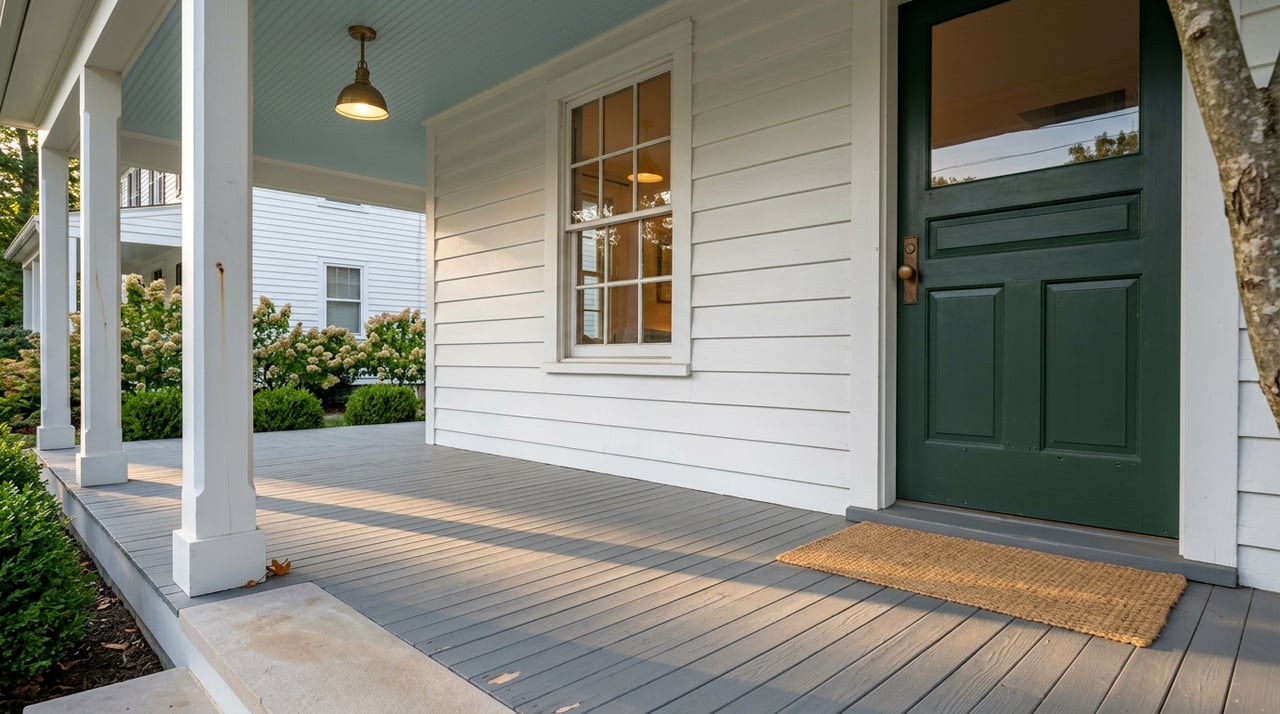
In subdivisions, the appeal is often tied to newer homes and more coordinated design. The town’s planning materials specifically point to building aesthetics and preservation of open space in newer neighborhoods, which can create a polished and intentionally planned environment.
If you are comparing homes, this is where your preferences matter. Some buyers want one-of-a-kind surroundings and a stronger sense of place. Others want newer layouts, a more uniform neighborhood feel, and a setting that reflects more recent development patterns.
Lifestyle is not just about looks or location. It is also about how the neighborhood functions behind the scenes.
Zionsville says it has active and involved homeowner associations, and that can shape day-to-day expectations in some newer neighborhoods. The town’s 2024 rural-to-urban transition notice also states that Holliday Farms streets remain privately owned and maintained even after the service-area change.
That is an important reminder if you are considering a subdivision. Some neighborhoods may include HOA-style governance or private infrastructure elements that influence maintenance, rules, and long-term expectations.
Service levels can vary too. Zionsville says residents in the Urban Service District receive services such as leaf collection, heavy trash collection, brush and limb collection, and town-billed trash and recycling. Because some neighborhoods have changed service-district status and some streets remain private, it is smart to verify how services work before you buy.
Your drive pattern may also help make the decision clearer. Zionsville identifies I-65 and US 421 as major north-south corridors, with US 421 serving as a key access point via I-465.
In the Village, your internal trips may feel shorter and more local, with more pedestrian activity and more movement through downtown streets. In many planned subdivisions, the routine often feels more corridor-driven, with daily movement shaped by major roads and car travel.
Neither setup is automatically better. It depends on whether you want your lifestyle to center more on a compact downtown environment or on a neighborhood network connected by roads, trails, and wider residential patterns.
If you are still deciding, it helps to think in terms of your normal week instead of just the home itself. Where do you want to spend your evenings? How often do you want to walk versus drive? Do you picture yourself in a historic setting or a newer neighborhood environment?
The Village may be a stronger fit if you want:
A planned subdivision may be a stronger fit if you want:
The best choice usually comes down to how you want life to feel after move-in. A smart home search in Zionsville starts with lifestyle fit, then narrows to the right block, neighborhood, and home.
If you want help weighing the tradeoffs between the Village and Zionsville’s subdivisions, Courtney Walsh Baisa can help you compare location, lifestyle, and long-term fit with a clear strategy.
Stay up to date on the latest real estate trends.
Luxury real estate demands strategy, precision, and insight. With a data-driven approach, expert marketing, and a deep understanding of buyer behavior, every step is designed to maximize results and deliver a seamless, elevated experience.